
Problems With Spray Foam Insulation In Attics
posted 11th May 2026
Thousands of homeowners across the UK are now discovering that spray foam insulation installed in attic spaces can create serious mortgage and property-related problems.
For many people, the issue only comes to light when they attempt to remortgage, sell their property or release equity from their home. What was originally sold as an energy-efficient home improvement can suddenly become the reason a lender refuses to proceed.
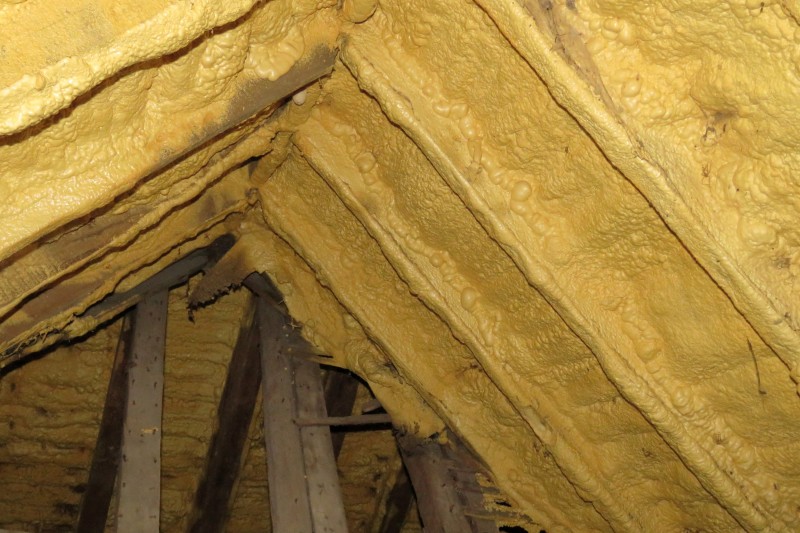
Surveyors and mortgage providers are increasingly raising concerns about spray foam insulation applied directly to the underside of roofs within attic and loft spaces. One of the main issues is that the foam can prevent proper inspection of the roof timbers beneath it.
Where roof timbers cannot be fully inspected, lenders and surveyors may be unable to properly assess:
- Timber condition
- Hidden moisture damage
- Trapped condensation
- Roof deterioration
- Long-term structural risks.
- Ventilation concerns are also frequently raised.
Some surveyors believe certain spray foam installations may restrict airflow within the roof space, potentially increasing the risk of condensation and hidden timber decay over time.
As a result, many homeowners are now facing:
- Mortgage refusals
- Reduced property valuations
- Delays during remortgaging
- Collapsed property sales
- Or demands for expensive removal work
In some cases, homeowners report being told that the spray foam insulation must be completely removed before a lender will reconsider the application. Removal costs can often run into thousands of pounds, particularly where large areas of the attic have been treated.
What is causing increasing concern is that many homeowners say they were never warned about these risks before installation took place.
Instead, consumers frequently report being told that:
- The insulation would increase property value
- Mortgage lenders widely accepted the product
- The installation was completely safe
- And the insulation would create long-term savings without future complications
The reality many homeowners now face appears very different.
A significant number of attic spray foam insulation installations were also funded using regulated finance agreements or credit cards. This can become extremely important from a legal perspective.
Even where the installer has ceased trading or refuses to engage, homeowners may still potentially have claims against finance companies or credit card providers under Section 75 of the Consumer Credit Act 1974.
Section 75 can, in certain circumstances, make lenders jointly liable where there has been:
- Misrepresentation
- Breach of contract
- Or failures connected to the sale of financed goods or services
This may include situations where homeowners believe important risks surrounding mortgageability, roof condition or future property sale difficulties were not properly disclosed before installation.
At Claims Advice Line, we are now assessing claims involving attic spray foam insulation problems, including cases linked to:
- Mortgage refusals
- Surveyor concerns
- Roof timber inspection issues
- Property devaluation
- Removal costs
- Finance agreements
- Potential Section 75 claims.
For many homeowners, this is no longer simply a home improvement dispute. It has become a major financial problem affecting the ability to sell, refinance or move home.
If you are experiencing problems with attic spray foam insulation, obtaining advice early may help clarify your legal position and identify whether compensation or finance-related remedies may potentially be available.